Mining Equipment Catalogue

Browse crushing, washing, grinding and mineral-separation equipment by process position, then compare models and working ranges.

Product catalogue / MC-2026

Filter by process duty before model specification.

Capacity is only the starting point. Use the product page to verify feed, product, ore behavior and site assumptions before choosing a model.

01

Crushing equipment

Primary, secondary and shaping duties that control top size and product form.

PE / PEX Jaw Crusher

Primary Crushing

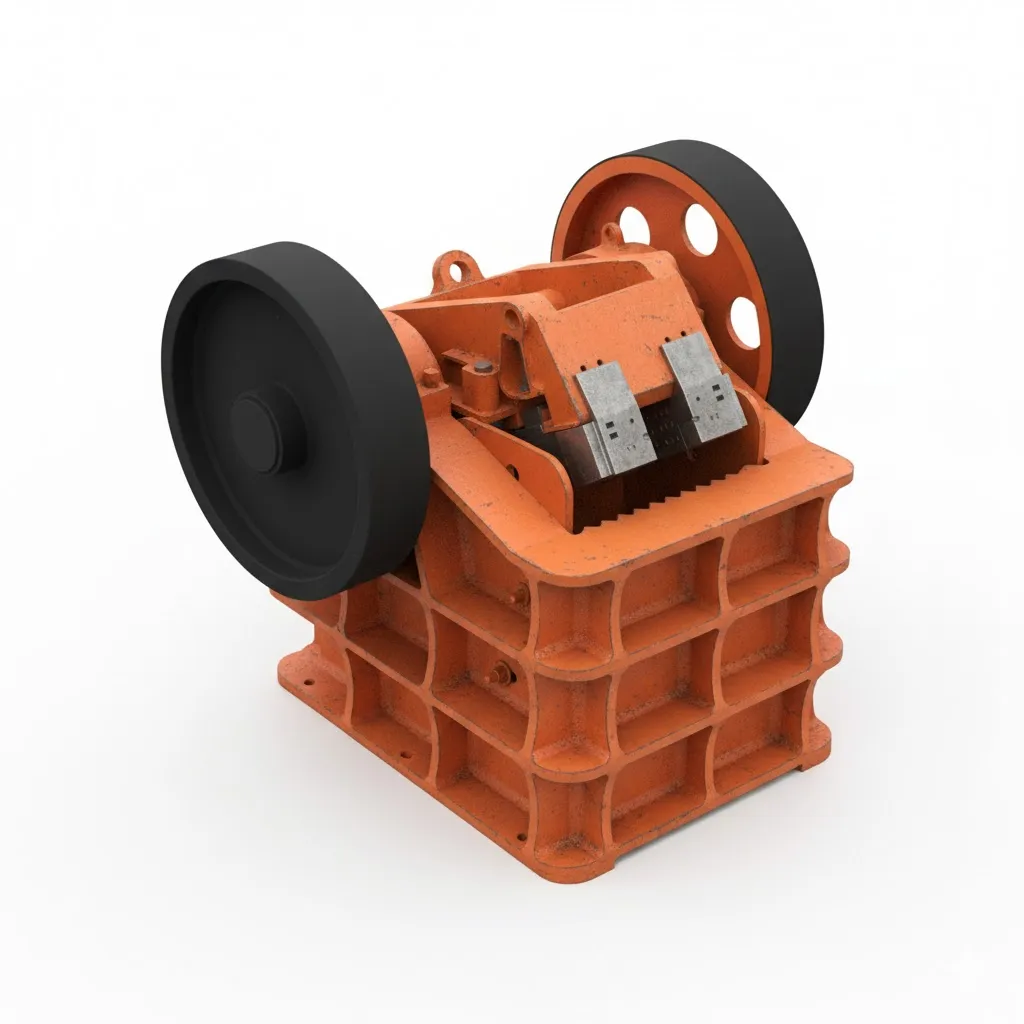
PE / PEX Jaw Crusher

PE and PEX jaw-crusher models for granite, basalt, river stone, and ore duties. PE covers primary hard-rock reduction up to the listed 1,020 mm feed limit, while PEX variants use tighter discharge settings for secondary or fine crushing.

Model range
12
Working range
5–800 t/h
View models and specifications
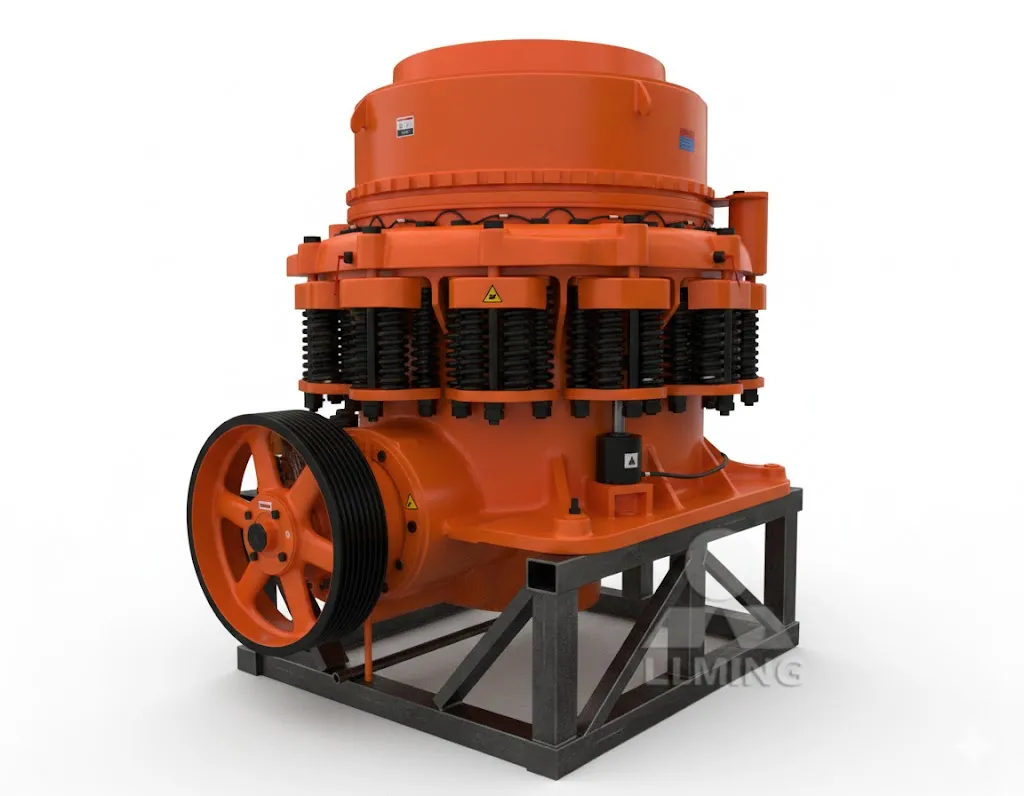
PY Spring Cone Crusher

Secondary Crushing

PY Spring Cone Crusher

PY spring cone crushers for granite, basalt, iron ore, and other hard-rock secondary or tertiary duties. PYB, PYZ, and PYD chamber types cover the listed 12–640 t/h range with adjustable CSS and spring overload protection.

Model range
13
Working range
12–640 t/h
View models and specifications
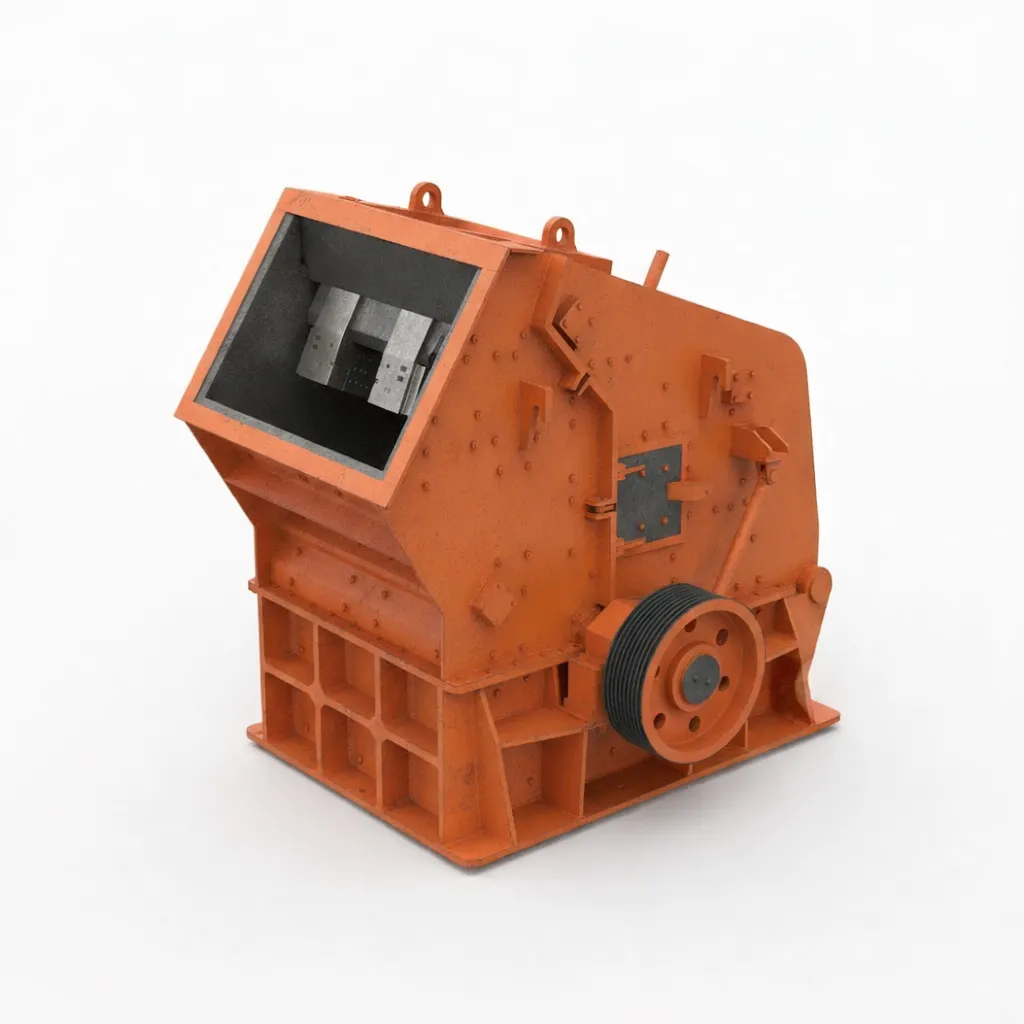
PF Impact Crusher

Secondary Crushing

PF Impact Crusher

PF impact crushers for limestone, dolomite, recycled concrete, and aggregate-shaping duties. Six listed models span 15–400 t/h for secondary or tertiary crushing with adjustable aprons and replaceable blow bars.

Model range
6
Working range
15–400 t/h
View models and specifications
02

Washing & grinding

Remove fine contamination or reduce material for the next separation stage.

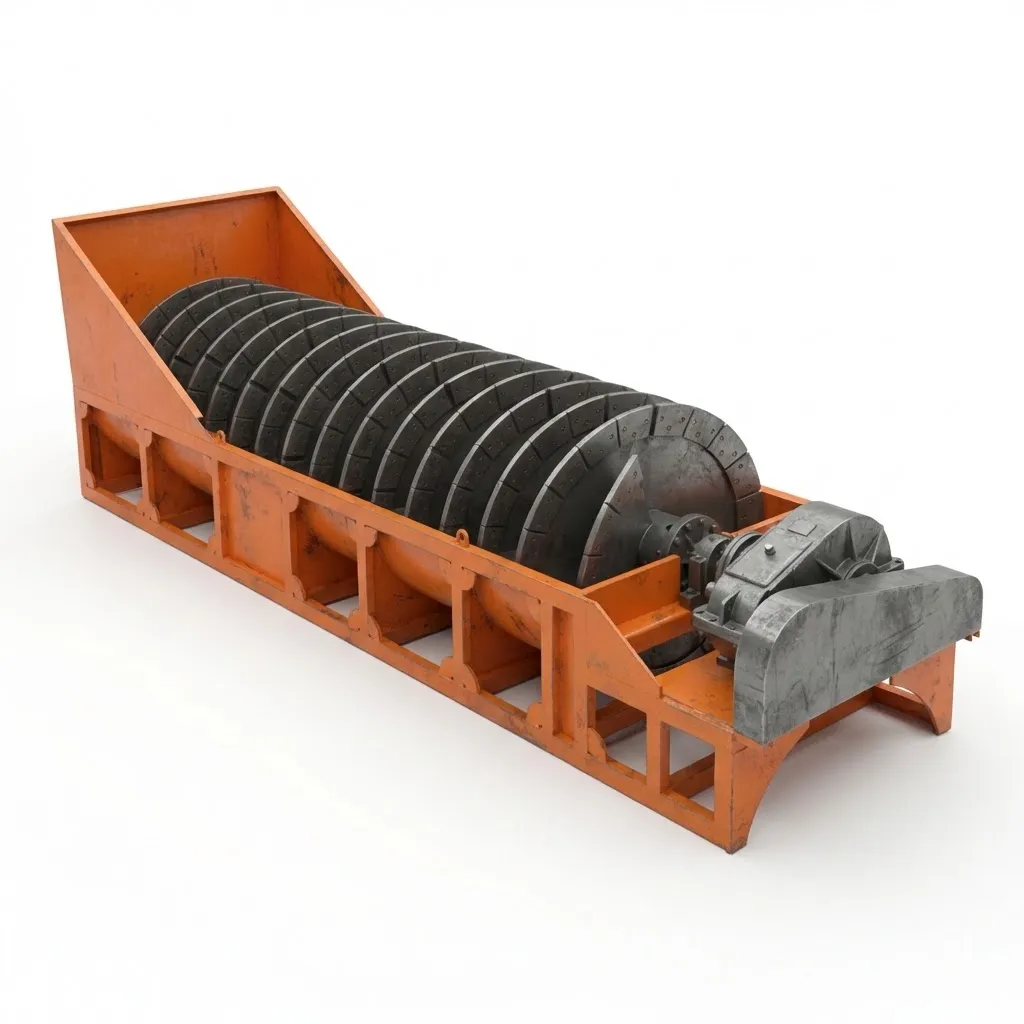
XS Wheel Sand Washer

Washing

XS Wheel Sand Washer

The XS wheel sand washer removes clay and excess fines from manufactured sand. The listed models use a wheel-and-bucket arrangement with a sealed bearing housing; final cleanliness and fine-sand loss depend on feed grading and water control.

Model range
4
Working range
15–120 t/h
View models and specifications
Technical file

Grinding

Ball Mill

Ball mills for wet or dry grinding after crushing in copper, gold, iron ore, graphite, and limestone circuits. Overflow or grate-discharge configurations can serve primary grinding, regrinding, or closed-classifier loops before flotation, magnetic separation, or gravity recovery.

Model range
6
Working range
0.65–90 t/h
View models and specifications
03

Mineral separation

Concentrate and recover minerals through surface, magnetic or density differences.

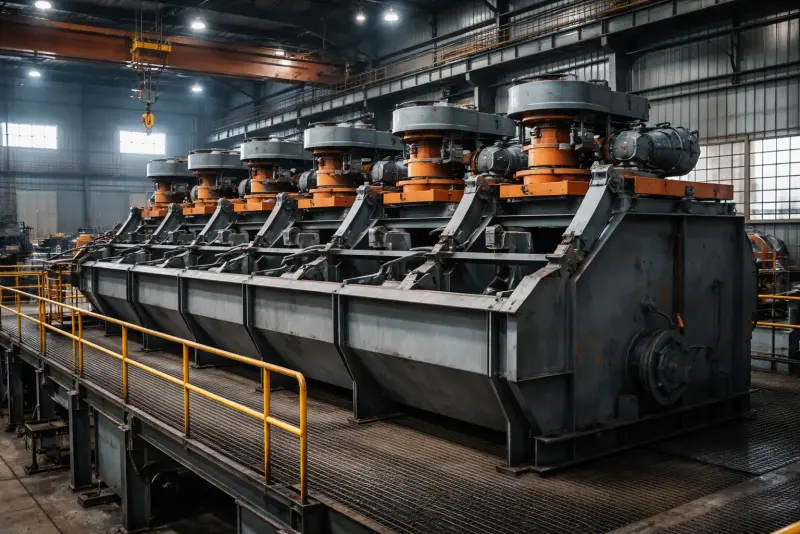
Flotation Machine

Froth Flotation

Flotation Machine

SF flotation cells for copper sulfide, lead-zinc, graphite, fluorite, and gold-bearing sulfide circuits. Listed cell volumes run from 0.37 to 20 m³ and can be arranged in rougher, cleaner, or scavenger banks after ore testing.

Model range
7
Working range
0.2–16 m³/min
View models and specifications
CTB Magnetic Separator

Magnetic Separation

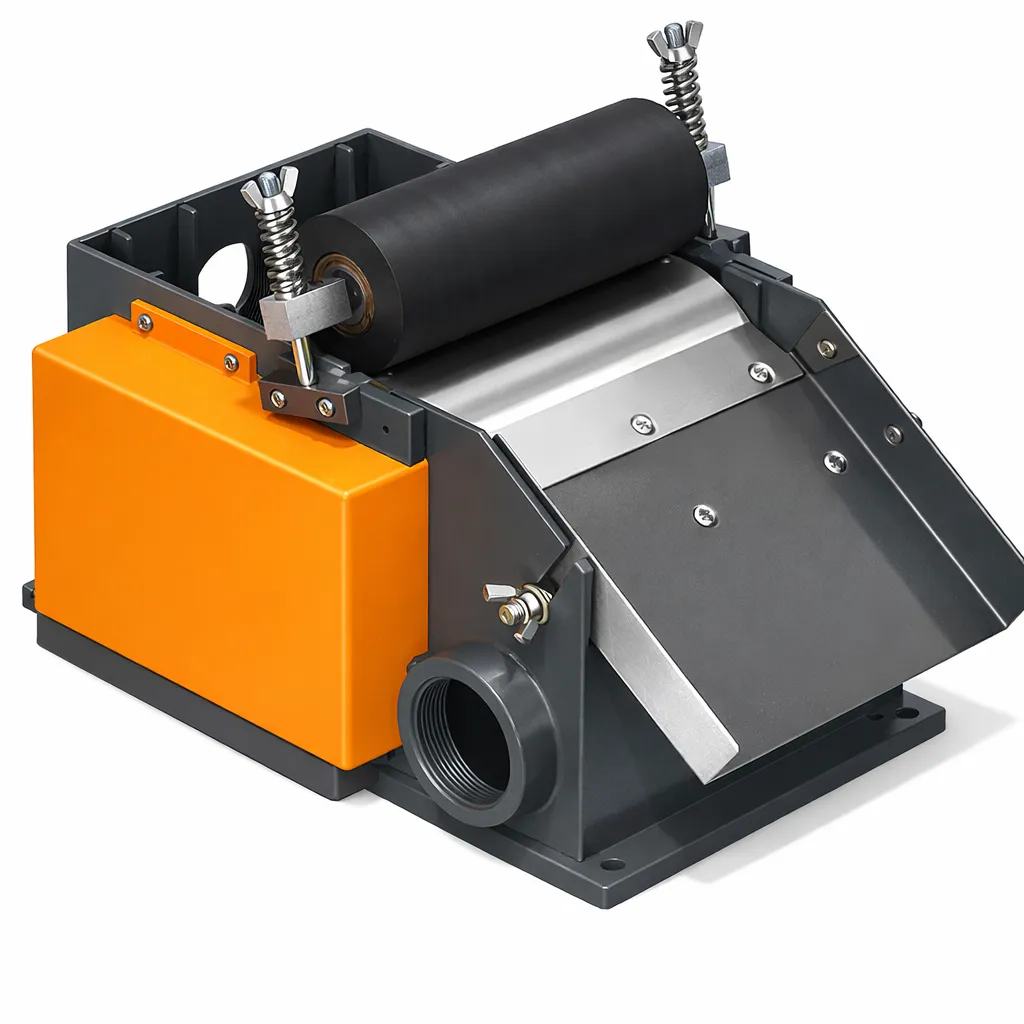
CTB Magnetic Separator

The CTB wet-drum magnetic separator is intended for strongly magnetic minerals such as magnetite and for selected iron-removal duties. Recovery and concentrate grade depend on mineralogy, liberation size, field strength, drum loading, and tank configuration.

Model range
5
Working range
15–140 t/h
View models and specifications
Shaking Table

Gravity Separation

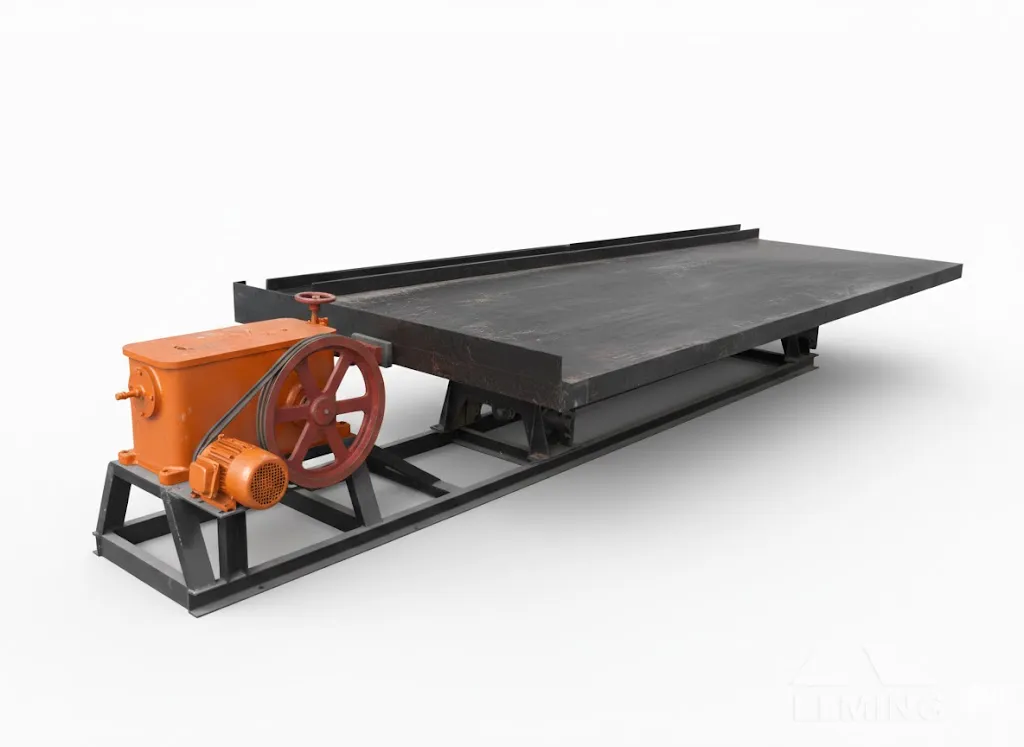
Shaking Table

The 6-S shaking table separates fine-grained minerals by density and particle behavior. Gold, tungsten, tin, tantalum, niobium, and related mineral duties require a representative feed test before deck and operating settings are selected.

Model range
4
Working range
0.1–1.5 t/h
View models and specifications

Project brief

Start with the operating duty, then narrow the equipment path.

Share four operating inputs so we can rule out unsuitable models early and explain the assumptions behind the shortlist.